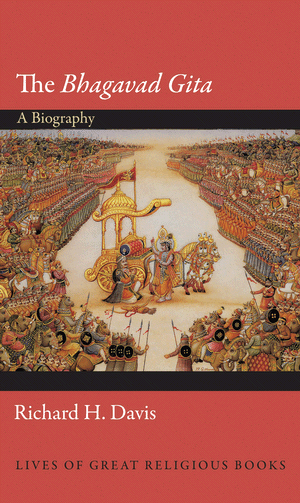
Mythology and history have often been unkind to the losers, as these are either written by the victors or by those who eulogize their heroes. Over time, such exaggerations acquire a reality of their own, told and retold as the ‘truth’ of the times. After all, it is human nature to find everything about the victors virtuously rosy, and everything about the vanquished a vicious black. And, the vanquished are forever the whipping boys of posterity, as the Kauravas have been since the days of the Mahabharata. And, the title of the chief villain of the epic war has been bestowed on Duryodhana, the eldest among the hundred siblings borne to the blind King Dhritarashtra. Rarely has anyone questioned the veracity of the story, which has been passed on from one generation to other. But if the narrative strength of the epic lies in its multiple renderings, should Duryodhana not be given a chance to make a case for himself?
Known to constitute the ruling and the military elite, it is ridiculous to assume that the kshatriya parents would knowingly consider Duryodhana as a chosen name for their child, as it means the one who makes wrong use of weapons. In reality, the crown prince of Hastinapur could not have any other name but Suyodhana, the one who is adept at wielding weapons. And, there is hardly any account of him proving it otherwise. It seems the chronicler of the epic saga chose to identify the crown prince otherwise, a name that eased in anointing devious sub-plots aimed to demean his character. Subjecting mythological facts to logical reasoning, V Raghunathan brings the much maligned prince to life to narrate his side of the story in Duryodhana.
Candid in his confession, the protagonist argues that if the Pandavas were as good as they have been painted to be then the Kauravas had their share of good deeds as well. The epic war is stated to be the handiwork of Duryodhana whereas in reality it was on account of the Pandavas staking unsubstantiated claim to the throne, while none of the brothers were sons of Pandu as the scheming Kunti had made everybody believe. Sage Vyasa had himself put the facts across in the epic: Yama, Vayu and Indra were the respective fathers of Yudhistra, Bhima and Arjun whereas the younger two Pandavas, Nakula and Sahadev – born to Pandu’s second wife Madri – were also not sired by Pandu but by the renowned physician twins, the Ashwini Kumaras. Given the non-Kuru lineage, Duryodhana had a far greater right to reject such devious claim than the Pandavas ever had to make that claim in the first place.
It is tough not to believe Duryodhana who brings the already known facts to light. In doing so, the protagonist builds a compelling case for the version of the epic being flawed because the facts were misrepresented to disfavor the Kauravas. It is equally true that the story may not have been fascinating had it been painted merely in white and black. The Mahabharata is not one story, but there is story within a story and each character is not what it may seem to be. Fact and fiction blend flawlessly, making it quite a task to separate the grain from the chaff.
It is often believed that just because Krishna fought on the side of the Pandavas, they must have been in the right. If that be so, why did Krishna’s elder brother Balaram, along with many other noble souls like Karna and Jarasandha chose to side with the Kauravas if they were pure evil? Presiding deity he might be but Krishna had his share of ‘grey’ in the epic when he had partnered with Bhima and Arjun to murder Jarasandha by stealth. Duryodhana equates his attempt to kill Pandavas with Jarasandha’s murder as pre-emptive strikes for the protection of their respective kingdoms, but wonders why his attempt was singled out as a crime?
Duryodhana’s version of the epic is iconoclastic, engaging the reader's attention to the bygone characters and incidents from a fresh perspective. The idea is not to rewrite the great epic but to pick essential lessons from it. Says Duryodhana: ‘We might ascribe disproportionate credit or disgrace to ourselves for our successes and failures whereas the truth is that, we are bit actors in a grand scheme of random events.’ Afterall, like the Pandavas, Duryodhana and his kin were the product of their times over which they had little control.
Duryodhana leaves the reader with a volley of intriguing questions to ponder over. Was it my fault if Yudhisthira chose not to heed his brothers’ advice against accepting the invitation for a game of chauper? Was it my fault if Yudhisthira considered his wife to be his property (though it belonged to his other four brothers) and wagered her in the game of dice? Was it my fault if Shakuni was a better player of chauper than Yudhisthira? Am I to be faulted for winning back Indraprastha by strategic statecraft rather than open warfare? Why history doesn’t credit me for upholding the personal liberty of the Pandavas by sending them to exile? Why I’m not being credited for letting Draupati her freedom with her good-for-nothing husbands?
The Mahabharata has been told and retold for thousands of years. The epic has engaged readers and scholars to understand the story from the perspectives of its secondary characters. V. Raghunathan makes a convincing case from Duryodhana’s perspective, which is highly absorbing and immensely thought-provoking. It adds yet another dimension to the labyrinth that is the Mahabharata,
Duryodhana
by V Raghunathan
HarperCollins, New Delhi
Extent: 307, Price: Rs 350
This write-up was first published in Speaking Tree dated Aug 7, 2016.